REVIEW · MONTEGO BAY
Rastafari Indigenous Village Tour Transportation [Entry Not included]
Book on Viator →Operated by Road Travel Jamaica · Bookable on Viator
A hands-on village visit can change how you see Jamaica. This tour takes you from Montego Bay in air-conditioned comfort to a Rastafari Indigenous Village where you’ll meet practicing Rastafarians and hear how their beliefs show up in daily life. It’s not just watching from the sidelines; it’s learning through crafts, gardens, and shared meals.
I especially like the human side of the experience—real conversations with village members who explain Rastafarian life in plain language. I also love the practical, sensory parts: learning about traditional drum-making by hand and walking through an organic vegetable and herb garden tied to the Rastafari approach to food and values.
The one thing to plan for is cost at the village itself, because entry/admission isn’t included in the tour price. Budget for that extra step so the day stays smooth.
In This Review
- Key Things to Know Before You Go
- A Quick Reality Check on What This Tour Actually Is
- Getting There From Montego Bay (And Nearby) Without Losing the Day
- Inside the Rastafari Indigenous Village: Crafts, Food, and Beliefs
- Drum-making: a tradition you can hear and see
- The organic garden: where beliefs show up in daily routine
- A meal with the community: the easiest way to understand a value
- On-site store time
- Duration and Timing: Why 2 to 4 Hours Works
- What I’d Call the Main Value: Transportation + a Real Cultural Connection
- A note on booking timing
- Who This Tour Fits Best (And Who Might Want Something Else)
- A Practical Checklist for a Smoother Visit
- Should You Book Rastafari Indigenous Village Transportation?
- FAQ
- Is entry/admission to the Rastafari Indigenous Village included?
- How long does the tour last?
- Do they pick you up from your hotel?
- Where do they offer pickup service?
- Is this tour private or shared?
- What kind of transportation do you use?
- Do I need to bring an admission ticket?
- What happens if the weather is poor?
- How is the ticket delivered?
Key Things to Know Before You Go
![Rastafari Indigenous Village Tour Transportation [Entry Not included] - Key Things to Know Before You Go](https://tour.montegobayguide.com/wp-content/uploads/rastafari-indigenous-village-tour-transportation-entry-not-included-1.jpg)
- Air-conditioned round-trip hotel pickup so you start and end without stress
- Drum-making by hand and a closer look at techniques passed down through generations
- Organic herb and vegetable garden paired with Rastafari reasons for vegan eating
- A shared meal option during the visit (plan your timing around it)
- Private tour setup: it’s only your group, so you’re not squeezed into a big crowd
- Flexible pickup area: service from Negril, Falmouth, or Montego Bay
A Quick Reality Check on What This Tour Actually Is
![Rastafari Indigenous Village Tour Transportation [Entry Not included] - A Quick Reality Check on What This Tour Actually Is](https://tour.montegobayguide.com/wp-content/uploads/rastafari-indigenous-village-tour-transportation-entry-not-included-2.jpg)
This is a short, focused cultural visit built around one main stop: the Rastafari Indigenous Village. The value here isn’t “checking boxes.” It’s the way the day is structured—meet the people, see the craft, walk the garden, then sit down for food shaped by the community’s choices.
At about 2 to 4 hours, it’s a manageable add-on for most Jamaica trips. You get transportation handled, and you show up ready to learn rather than trying to figure out local logistics on your own.
The experience is also set up for groups of different sizes. There’s a range of vehicle sizes, which matters if you’re coming with a family, a small group of friends, or a larger crew.
And yes, you’ll be out in the daytime. The provider notes it requires good weather, so it’s smart to treat it like a “goes best when the day behaves” plan.
You can also read our reviews of more tours and experiences in Montego Bay.



Getting There From Montego Bay (And Nearby) Without Losing the Day
![Rastafari Indigenous Village Tour Transportation [Entry Not included] - Getting There From Montego Bay (And Nearby) Without Losing the Day](https://tour.montegobayguide.com/wp-content/uploads/rastafari-indigenous-village-tour-transportation-entry-not-included.jpg)
Your day starts with round-trip transportation from your hotel. That sounds basic, but in Jamaica it’s the difference between relaxing and fighting time. The tour uses an air-conditioned vehicle, which is a big quality-of-life upgrade in the heat.
Service is available from Negril, Falmouth, or Montego Bay, so your base matters less than you might think. If you’re staying outside Montego Bay, you can still use this tour instead of settling for a generic bus tour.
Another practical plus: this is private, meaning only your group participates. That tends to make conversations easier. When your schedule isn’t competing with a larger crowd, you can ask questions and linger a little where you’re genuinely curious.
Inside the Rastafari Indigenous Village: Crafts, Food, and Beliefs
![Rastafari Indigenous Village Tour Transportation [Entry Not included] - Inside the Rastafari Indigenous Village: Crafts, Food, and Beliefs](https://tour.montegobayguide.com/wp-content/uploads/rastafari-indigenous-village-tour-transportation-entry-not-included-4.jpg)
The main stop is the Rastafari Indigenous Village, presented as a living cultural center. The key phrase is living. You’re not just touring a museum setup. You’re visiting a place where the community practices its values.
Drum-making: a tradition you can hear and see
One of the standout parts is meeting drum makers and learning how traditional drums are made by hand, using techniques passed down over generations. Even if you don’t know anything about percussion, you’ll likely walk away with a clearer sense of why drums matter to Rastafari culture—because the process is physical, detailed, and intentional.
Look for the moments where the maker explains the “how” and the “why.” That’s usually where the culture comes through. A craft demonstration can become a real story when the person showing you the work connects it back to faith, community, and identity.
The organic garden: where beliefs show up in daily routine
Next is a tour of an organic vegetable and herb garden. This section works well because it’s concrete. You can see plants growing and understand how food choices affect the rhythm of the community.
You’ll also learn about the Rastafari reasons for following a vegan diet, including what benefits are described by the community. Food is one of the easiest ways to understand beliefs, because it touches health, ethics, and day-to-day decisions. If you’re already curious about vegan eating, this is a chance to hear the Rastafari framing without the lecture style.
Practical tip: bring curiosity, not a debate mindset. You’re there to learn how the community explains its choices.

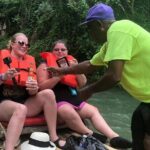



A meal with the community: the easiest way to understand a value
The experience includes time where you can have a meal with the Rastafari and taste what’s on offer. Sharing food is one of the oldest travel lessons in the world: it’s not theory; it’s appetite, routine, and hospitality.
One note for planning: the information provided doesn’t spell out whether the meal is automatically included in the tour price or paid separately at the village. Since the village entry/admission is extra, I’d treat the meal as part of your on-site plan and confirm costs when you book so there are no surprises.
Still, even if you keep your meal simple, the time together is the point. This isn’t just about eating; it’s about how the community welcomes you.
On-site store time
There’s also a small store on site. The details about what it sells are only partially shown in the info you provided, so I won’t guess. But it’s a good moment to check for small crafts or items made for sale by the community.
If you like buying souvenirs that feel connected to what you just experienced, this is usually the better place than a random roadside stop.
Duration and Timing: Why 2 to 4 Hours Works
![Rastafari Indigenous Village Tour Transportation [Entry Not included] - Duration and Timing: Why 2 to 4 Hours Works](https://tour.montegobayguide.com/wp-content/uploads/rastafari-indigenous-village-tour-transportation-entry-not-included-5.jpg)
This tour runs about 2 to 4 hours. That time range matters because it helps you plan the rest of your day. You can pair it with other activities without feeling like you’re sacrificing your whole schedule.
Also, a shorter tour often means less rushing. You’ll spend your time at the village itself, not trapped in long road segments or waiting for other people’s agendas to catch up.
If you’re trying to fit this in between beach time and dinner, it can work nicely. Just remember: the village experience is outdoors in parts (garden, village movement), so weather can affect comfort.
What I’d Call the Main Value: Transportation + a Real Cultural Connection
The price is $64.83 per person, and that’s where the value calculation becomes clearer.
On the “included” side, you get:
- Air-conditioned vehicle
- Round-trip transportation
- A private group setup
- Request for shopping included (meaning the operator can help accommodate shopping time, within reason)
- Mobile ticket
- Group discounts are available
What’s not included is village entry/admission. So you’re not paying just for the drive. You’re paying for the ride and the guided coordination that gets you to the right place and keeps your visit organized.
In other words, the tour is a “make it easy to have this kind of conversation” package. If you were to try this on your own without transport and timing help, you’d likely spend more time managing details than learning.
A note on booking timing
On average, this is booked about 28 days in advance. That suggests demand builds ahead of time, especially for people arranging day trips from their hotel. If you have travel dates fixed, I’d book early enough to avoid last-minute scramble.
Who This Tour Fits Best (And Who Might Want Something Else)
![Rastafari Indigenous Village Tour Transportation [Entry Not included] - Who This Tour Fits Best (And Who Might Want Something Else)](https://tour.montegobayguide.com/wp-content/uploads/rastafari-indigenous-village-tour-transportation-entry-not-included-6.jpg)
This tour is a strong match if you:
- Want to learn about Rastafari beliefs from practicing Rastafarians
- Prefer a smaller, private experience over big bus crowds
- Love hands-on cultural learning: craft, garden, and food
- Want an organized cultural stop that still fits within a half-day window
It’s less ideal if you:
- Want a long, multi-stop day packed with lots of separate attractions
- Are looking for a modern-city-style tour with quick photo stops
- Hate the idea that admission at the village is extra, not included in the base price
A Practical Checklist for a Smoother Visit
![Rastafari Indigenous Village Tour Transportation [Entry Not included] - A Practical Checklist for a Smoother Visit](https://tour.montegobayguide.com/wp-content/uploads/rastafari-indigenous-village-tour-transportation-entry-not-included-7.jpg)
I recommend you prepare like this is a real visit, not just a sightseeing loop.
- Bring cash or a payment plan for village admission and anything you buy at the on-site store.
- Wear comfortable shoes, because garden and village pathways tend to be more than flat pavement.
- Plan around a meal time. Even if you don’t eat a full meal, you’ll likely have a window where food is part of the flow.
- Bring a light layer if you’re sensitive to heat or sun when you’re outside.
- Keep an eye on weather. The provider notes the experience needs good weather, so don’t schedule it as your only plan for that day.
Should You Book Rastafari Indigenous Village Transportation?
![Rastafari Indigenous Village Tour Transportation [Entry Not included] - Should You Book Rastafari Indigenous Village Transportation?](https://tour.montegobayguide.com/wp-content/uploads/rastafari-indigenous-village-tour-transportation-entry-not-included-8.jpg)
Yes, if your goal is authentic cultural learning without the hassle of transport and timing. The combination of hotel pickup, private-group flow, and village-focused activities like drum-making and the organic garden makes this a solid value.
One more thing: if you’re the type who likes asking questions and listening carefully, you’ll likely get more out of this than someone who just wants quick photos. This is about understanding through daily practice—especially food and craft—and that lands best when you give it your full attention.
If you’re budget-conscious, the only caution is straightforward: add village admission to your total before you commit. Once you do that math, this tour looks like a practical way to experience Rastafari life in a respectful, organized setting.
FAQ
Is entry/admission to the Rastafari Indigenous Village included?
No. The tour price includes transportation, but entry/admission is not included.
How long does the tour last?
The duration is listed as 2 to 4 hours (approx.).
Do they pick you up from your hotel?
Yes. The package includes round-trip transportation from your hotel.
Where do they offer pickup service?
Service is available from Negril, Falmouth, and Montego Bay.
Is this tour private or shared?
This is listed as a private tour/activity, meaning only your group participates.
What kind of transportation do you use?
You travel in an air-conditioned vehicle. There are a range of vehicle sizes available for different group sizes.
Do I need to bring an admission ticket?
You should plan for it, since village entry/admission is extra.
What happens if the weather is poor?
The experience requires good weather. If it’s canceled due to poor weather, you’ll be offered a different date or a full refund.
How is the ticket delivered?
The experience includes a mobile ticket.