REVIEW · MONTEGO BAY
Montego Bay Marijuana Farm Tour
Book on GetYourGuide →Operated by Jamaica Charismatic Tours · Bookable on GetYourGuide
Rows of green in Jamaica surprise you. This Montego Bay marijuana farm tour is interesting because you’re taught the full seeding to harvest process in a real working setting, with Rastafari culture showing up in the explanations along the way.
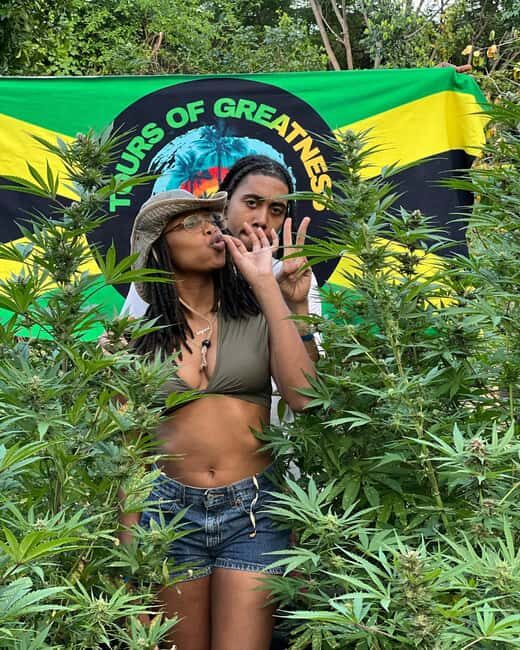
I really like two things here. First, the best moments come from an attentive guide; one booked guide named Randy did a standout job of explaining both cultivation and cannabis’s role in Rastafari life and medicinal uses. Second, you get an excuse to slow down and take photos, including help with pictures while you’re walking through the plants.
One drawback to keep in mind: the experience depends on what’s growing and what’s been hit by nature. In at least one booking, mature plants had been eaten by birds, so the “see flowers up close” expectation didn’t land, and the drive to/from the farm can feel intense in road conditions.
In This Review
- Quick hits before you go
- The drive from Montego Bay: pickup, timing, and road comfort
- Entering the farm walk: what the guide actually helps you understand
- Seeding to harvest: the story you’ll hear while you walk the rows
- Rastafari culture and medicinal talk: what to listen for with your guide
- Photo time in the fields: getting the shot without slowing everyone down
- Sampling and the souvenir stop: how to handle non-consumer expectations
- Price and value: is $140 per person fair for what you get?
- Who should book this Montego Bay farm tour?
- Should you book? My practical take
- FAQ
- How long is the Montego Bay marijuana farm tour?
- Where does the tour take place?
- What is included in the price?
- Are food and drinks included?
- Is the tour guide English-speaking?
- What should I bring?
- FAQ (continued)
- Can I cancel for a full refund?
- Do they offer reserve now and pay later?
Quick hits before you go
- Seeding-to-harvest education: You’re walking a cultivation story, not just looking at plants
- A guide that talks culture: Expect Rastafari context and explanations about uses
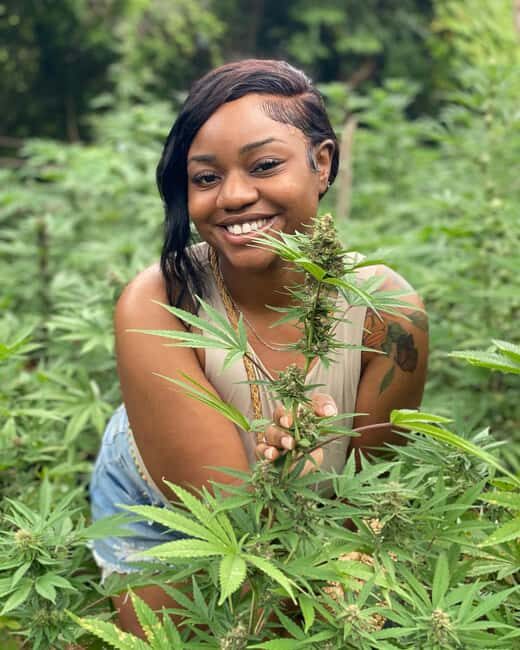
- Photo-friendly rows: You’ll have clear chances to snap pictures while you’re in the fields
- Private group feel: Fewer strangers, more time to ask questions
- Crop-stage uncertainty: Bird damage or plant maturity can affect what you see
The drive from Montego Bay: pickup, timing, and road comfort
This tour is set up around pickup from Montego Bay, St. James Parish, Falmouth, or Trelawny, plus options that use set pickup points around Grand Palladium or Lady Hamilton. That means you’re not stuck figuring out local transport on your own, which is a big deal when you only have a short window on your trip.
It’s also a reminder that your “1 to 2 hours” time slot is only the tour experience. You should assume there will be additional time in the car, especially if you’re starting from a cruise port area. One unhappy review described the drive as exhausting and felt unsafe due to speeding. I can’t promise anything about your driver, but you should pay attention to the road vibe and speak up early if you feel uncomfortable.
Practical tip: if you’re prone to motion sickness or you just hate long bumpy rides, this is the part to plan for. Bring water for yourself if you think you’ll need it, since food and drinks aren’t included.
You can also read our reviews of more tours and experiences in Montego Bay
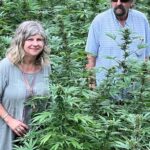

Entering the farm walk: what the guide actually helps you understand
The core of this experience is a guided walk through the farm, with a clear emphasis on how cannabis is cultivated over time. You start with early-stage planting concepts and move forward toward what the plants need as they grow, then toward harvest-related ideas.
What makes this valuable for you isn’t the word weed in the title. It’s that you get a structured explanation of farming as a process: patience, attention, and the daily realities that come with growing anything in Jamaica’s heat. If you’re the type who likes learning how things work, this tour should feel like a mini-ag class happening in the open air.
Still, keep your expectations grounded. This is a farm tour, not a lab or museum. That means the plants you see reflect what’s happening that week. One booking reported that mature plants had been damaged by birds and only small seedlings were visible, including no flowers to see. If your main goal is to see blooming stage plants, understand that the farm’s current condition is the key variable.
Seeding to harvest: the story you’ll hear while you walk the rows
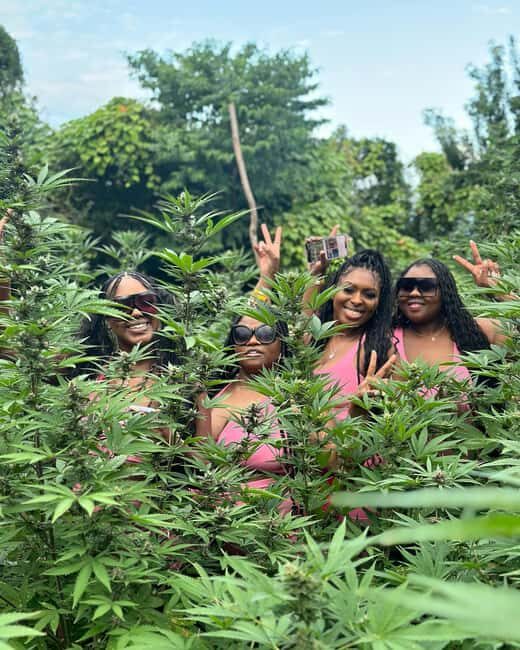
The tour’s big promise is the “seeding to harvest” journey, and that’s what should guide your whole experience. As you move through the fields, your guide is there to connect each stage to why it matters: what growers watch for, what takes time, and why harvest isn’t instant.
You’ll likely see repeated patterns in how the plants are arranged, with long rows that make it easy to understand spacing and growth habits. You’re also getting a rare look at cannabis cultivation outside of media soundbites. Even if you’re not a smoker, you can still find the agriculture side interesting because it’s the same basic question farmers always answer: how do we grow healthy plants consistently?
A smart way to get more out of it: ask the guide to explain what they’re looking for at each stage. If the guide has time, those details turn a quick farm visit into a real learning experience.
Rastafari culture and medicinal talk: what to listen for with your guide
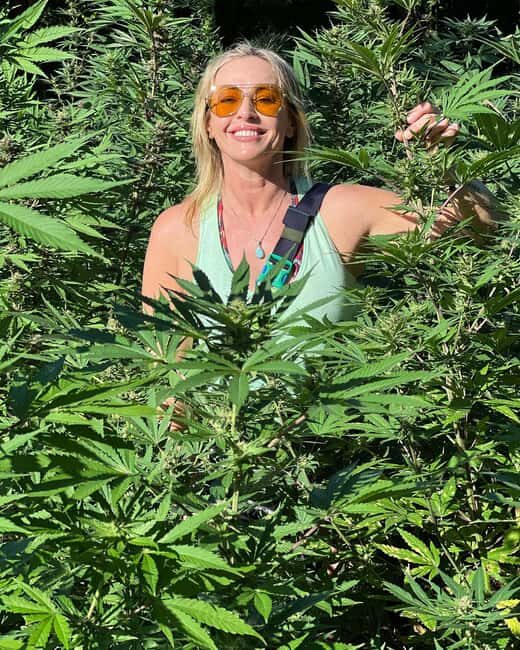
One reason the highly praised reviews land well is how much culture and meaning shows up in the explanation. A UK visitor highlighted learning about Rastafari culture and found it especially interesting that the guide discussed cannabis cultivation and its medicinal uses, even though they weren’t a consumer.
So if you’re choosing this tour hoping for education that connects to Jamaican worldview and traditions, you may get more than plant-spotting. Your guide is also listed as speaking English, and the guided format matters here: you’re not left to guess what you’re seeing.
Guide name note: Randy was specifically mentioned in a top review as doing a great job staying entertaining and helping with photos. If your group gets a different guide, that’s normal. But the takeaway for you is that the best results come when you treat it like a conversation, not a drive-by photo stop.
Photo time in the fields: getting the shot without slowing everyone down
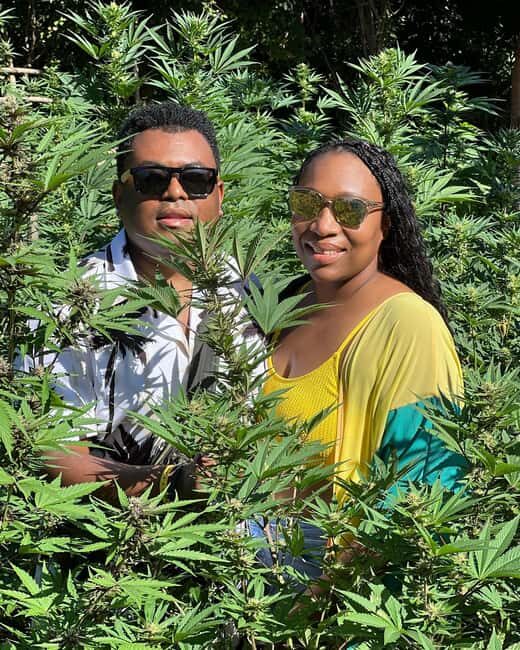
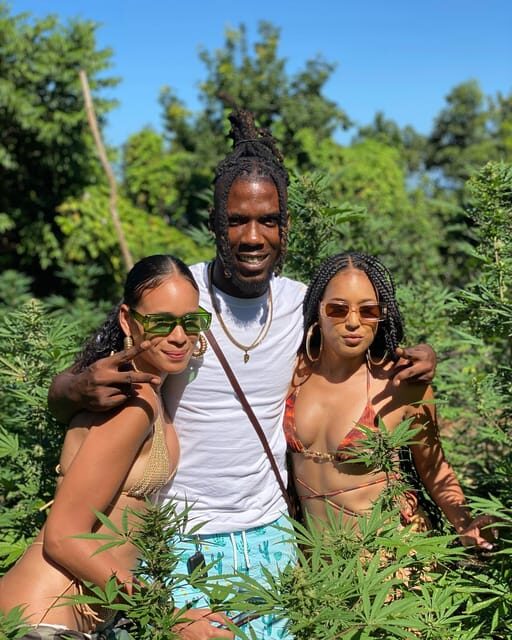
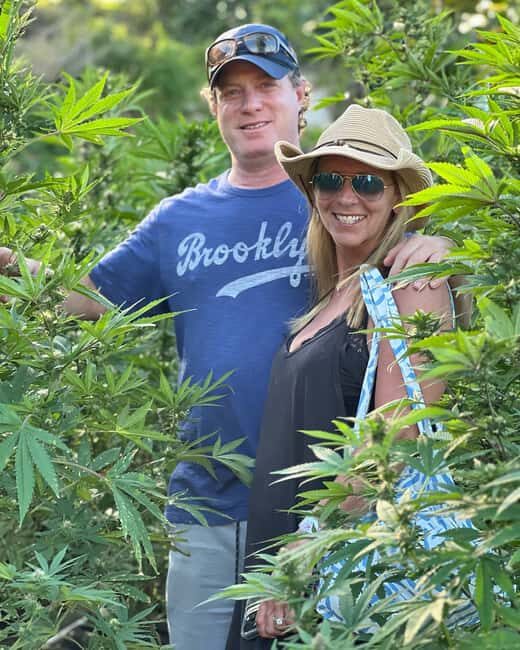
The tour is very camera-friendly in the sense that you walk through lots of plants in rows, so you’ll have plenty of visual material. You can grab photos of the repeating structure of the beds, close shots of leaf textures, and wide angles that show the scale of the farm.
A practical thing to expect: since this is a working farm walk, don’t move off the group path or reach where you’re told not to. You want clear pictures, but you also want to respect the place you’re visiting.
If photos are a big part of why you’re booking, bring a quick, practical mindset. Choose one or two “big” shots early, then slow down for detail photos. One review even mentioned the guide helping with photos, so if you want a better angle, ask for that at a natural pause in the walking.





Sampling and the souvenir stop: how to handle non-consumer expectations
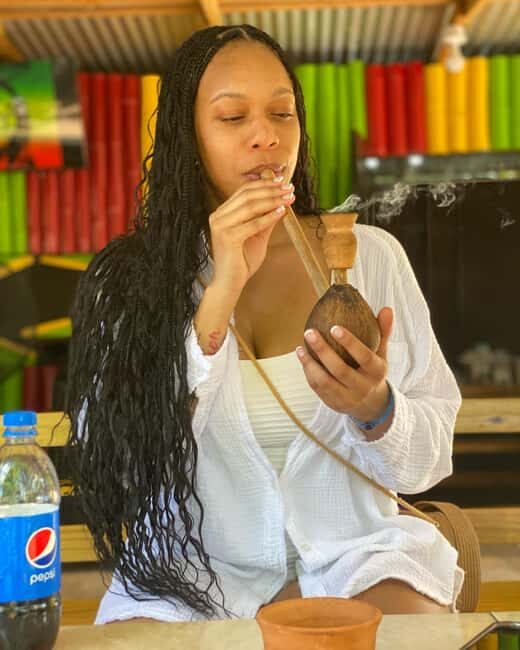
Here’s the part that can make or break value for some people: what happens at the end. In one review, visitors were invited to sample the harvest using a pipe. If you do not consume cannabis, this might not be your favorite moment, and it can feel awkward if it comes up without clear warning.
My advice: ask early in the tour how sampling works and whether it’s required or optional for your group. You’re paying for a tour experience, not a forced participation event. If you’re not interested, you should be able to politely decline while still enjoying the farm education.
Souvenirs are another spot where expectations need adjusting. A negative review described a dirt-road “souvenir shop” with heavily inflated prices. That doesn’t mean every stop will be the same, but it’s a good signal for you to avoid impulse buying.
Also remember: you’re told to bring cash. That usually means you’ll want some on hand for any small purchases, tips, or entry-related extras that aren’t covered.
Price and value: is $140 per person fair for what you get?
At $140 per person for a 1 to 2 hour experience, this tour isn’t a budget add-on. The value depends on whether the tour matches what you came for.
Here’s what you do get included: hotel pickup and drop-off (or pickup at a meeting point depending on your selected option) plus an entrance fee. You also get a live English-speaking guide and a private group format. For many people, that combination is what justifies the price: transportation and guide time are doing real work for you.
Now the flip side: if the farm’s current crop stage is limited—like mature plants being damaged—your photo and learning expectations can take a hit. One unhappy review explicitly felt the price-to-experience ratio wasn’t right because there weren’t mature plants or flowers to see.
So the smartest way to judge whether it’s worth it for you is to ask yourself one question: Do you mainly want the culture and cultivation lesson, or do you mainly want a certain kind of plant to photograph? If it’s the first, the tour can feel meaningful even with changing conditions. If it’s the second, you risk disappointment.
Who should book this Montego Bay farm tour?
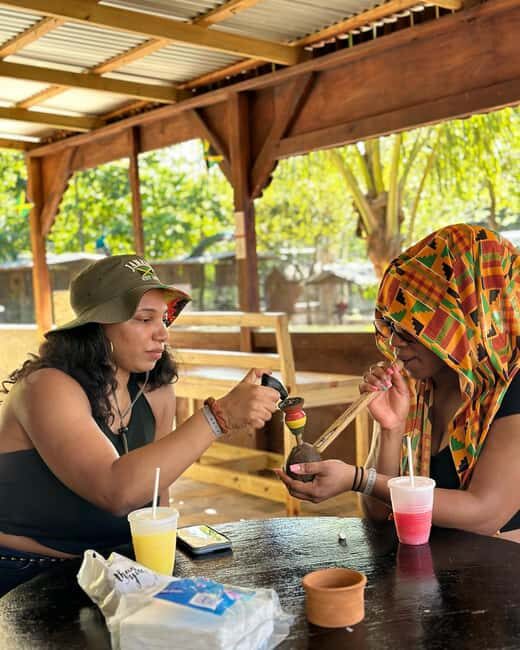
This is a good fit if you want a guided walk focused on cultivation and the meaning around cannabis in Rastafari context. If you enjoy agriculture topics, enjoy Q and A, and want photos without turning the trip into a loud party, you’ll probably get more satisfaction.
It may not be ideal if:
- You want guaranteed mature plants or flowering stage visuals every time
- You strongly dislike any chance of sampling invitations
- You’re sensitive to car rides and prefer smoother, calmer transport
One more match: if you’re traveling with a small group and want a private guide experience, the private group format is a strong reason to choose this over large group tours.
Should you book? My practical take
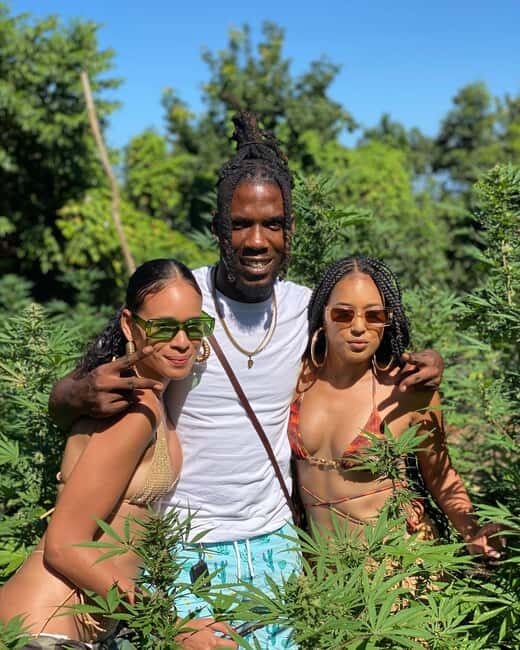
I’d book this tour if you’re chasing education and atmosphere, not just a quick plant photo. The best version of this experience is when a strong guide brings both the farming story and Rastafari context into the walk, like the Randy experience described in one of the highest-rated bookings.
I’d hesitate if your trip timing and expectations are strict—especially if seeing mature flowering plants is the whole point. The farm condition can change, and birds can be part of that reality.
If you do book, go in with the right mindset: ask questions, respect the farm rules, and clarify anything about sampling before it happens.
FAQ
How long is the Montego Bay marijuana farm tour?
The duration is listed as 1 to 2 hours, depending on the starting time you select.
Where does the tour take place?
The tour is in Cornwall County, Jamaica, with pickup options around Montego Bay and nearby areas.
What is included in the price?
The price includes hotel pickup and drop-off (or pickup at a meeting point for some options) plus the entrance fee.
Are food and drinks included?
No. Food and drinks are not included.
Is the tour guide English-speaking?
Yes. The live tour guide is listed as English.
What should I bring?
You should bring cash.
FAQ (continued)
Can I cancel for a full refund?
Yes. Free cancellation is offered up to 24 hours in advance for a full refund.
Do they offer reserve now and pay later?
Yes. The option to reserve now and pay later is listed as available.