REVIEW · MONTEGO BAY
Rastafari Indigenous Village Tour
Book on Viator →Operated by Jamaica Mesmerizing Tours Limited · Bookable on Viator
You can feel Rastafari history fast in Montego Bay. This private tour takes you from your hotel or cruise port to a Rastafari Indigenous Village, where you’ll learn directly from local guides, then hear Congo drumming and chanting up close. I also like that the experience isn’t just talk—you get fresh fruit and juice samples, plus time to browse village-made products before you head back.
I’d also call out the day’s practical perks: air-conditioned comfort on the ride, and a setup that feels more personal than a crowded group tour. One thing I especially appreciate is how the driver can help you get oriented on the way out; in one case, a guest praised driver Kevin for being friendly and filling in context during the drive.
The main thing to plan for is the on-foot part of the visit. You’ll need water shoes (not just regular flip-flops) because you walk across a small steam/stream to reach the village, and you’ll want dry, grippy footwear that won’t ruin your day.
In This Review
- Key things that make this tour worth your time
- Rastafari Indigenous Village Tour: Why This Visit Matters in Montego Bay
- Hotel pickup and your air-conditioned private ride
- The short on-foot crossing: what to wear and bring
- The guided village visit: learning Rastafarianism the real way
- Drumming and chanting for about 30 minutes
- Fruit samples, juices, and the village shop stop
- Timing: how the 2 to 4 hours really works
- Price and value: is $310 per person fair?
- Who this tour suits best (and who might skip it)
- Should you book the Rastafari Indigenous Village Tour?
- FAQ
- Where do I get picked up for the Rastafari Indigenous Village Tour?
- How long is the tour?
- Is the tour private?
- What’s included in the tour price?
- Do I need to bring anything?
- Is there time for photos and shopping?
- What entertainment is part of the visit?
- What happens if the weather is bad?
- What is the cancellation policy?
Key things that make this tour worth your time
- Private tour for just your party so questions don’t get rushed
- Local Rastafarian guides who share real-world perspective, not just facts from a brochure
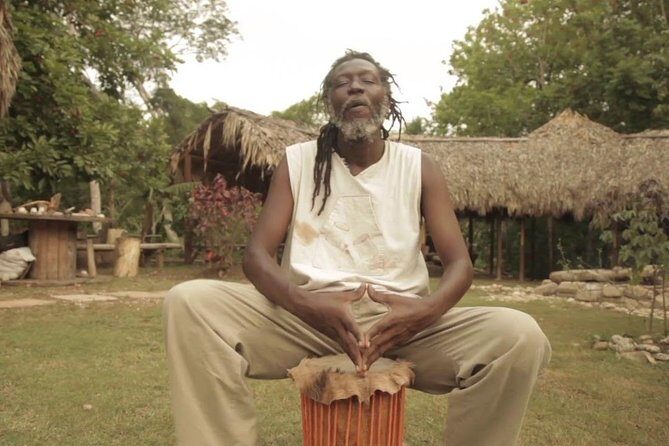
- About 30 minutes of authentic Congo drumming and chanting
- Fruit and fresh fruit juice samples included as part of the welcome
- Village-made facial products and souvenirs you can shop on-site
- Water shoes matter because you’ll cross a small water crossing to get in
Rastafari Indigenous Village Tour: Why This Visit Matters in Montego Bay
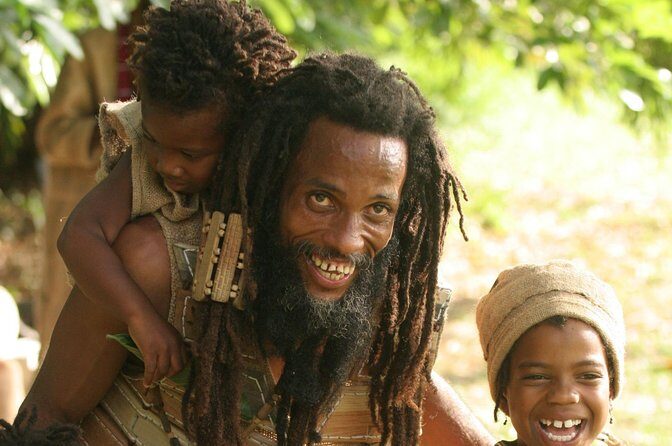
If your Jamaica trip is all beaches and no culture, this is the kind of stop that adds meaning without feeling like a homework assignment. The Rastafari Indigenous Village is a living place where Rastafarian beliefs, music, and daily life are shared with visitors in a guided format.
What makes it interesting is the mix of learning and performance. You’re not just reading about Rastafari—you’re hearing it through storytelling, then through drumming and chanting. That combo helps the ideas stick, and it turns a short outing into something you’ll remember when you’re back in your hotel showering off the humidity.
Also, you’re doing this from Montego Bay with an easy rhythm. Pickup, guided visit, drumming/chanting, shopping, and then you’re returned to where you started. It’s a day-plan that doesn’t require you to figure out transportation or timing on your own.
You can also read our reviews of more tours and experiences in Montego Bay.

Hotel pickup and your air-conditioned private ride
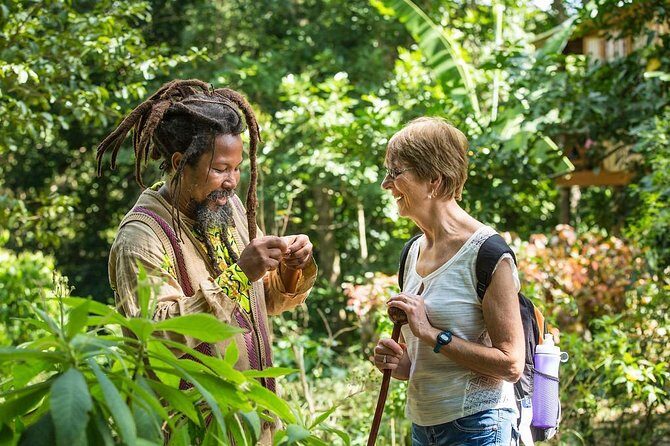
This tour is built around comfort and convenience. You’ll be picked up from your Montego Bay hotel or from the cruise port, then driven in an air-conditioned vehicle to the village area.
The private setup is a big deal for value. At $310 per person, it’s not a “cheap thrill” price tag. But when it’s private, that cost is buying you a calmer pace. You’re not waiting for other groups to line up, and you can ask questions without the pressure of keeping up with a bus schedule.
If you’re traveling with kids, friends, or a multi-generational crew, privacy also helps. People tend to relax more when they aren’t stuck being the “one who asks the slow question.” And if something is running late, a good driver can often keep the day on track so you don’t feel like you’re sprinting from stop to stop. One guest specifically praised their driver Kevin for being accommodating and adding history during the drive—exactly the kind of small upgrade that makes a cultural tour feel more thoughtful.
The short on-foot crossing: what to wear and bring
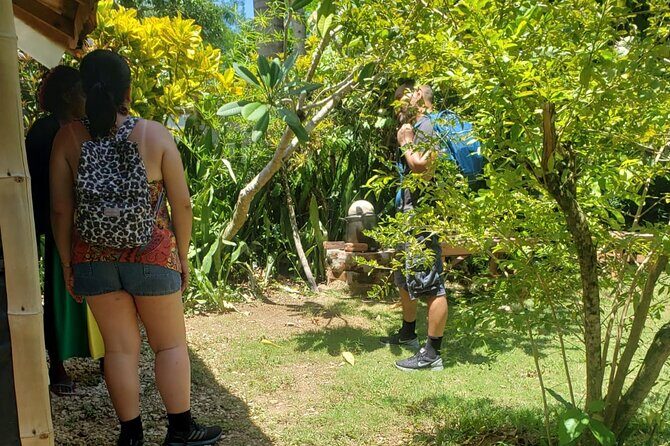
This is the one part that can catch you off guard: you have to walk across a small steam/stream to reach the village. It’s not described as optional, so plan for your feet.
Bring water shoes or sandals that can handle splashes and quick hops without falling apart. You want something with grip, because wet surfaces are where you start sliding or twisting ankles. Dry-fast footwear is key since you’ll likely get a bit of water while crossing.
Also bring what you’ll actually use:
- A camera for the drumming/chanting moments and the on-site crafts
- Cash, since you’ll have the chance to shop for souvenirs and village-made products
One more “don’t skip it” tip: bring a refillable water bottle. You’ll have samples at the village, but you’ll still appreciate having water available during your transfer and after the crossing.
The guided village visit: learning Rastafarianism the real way
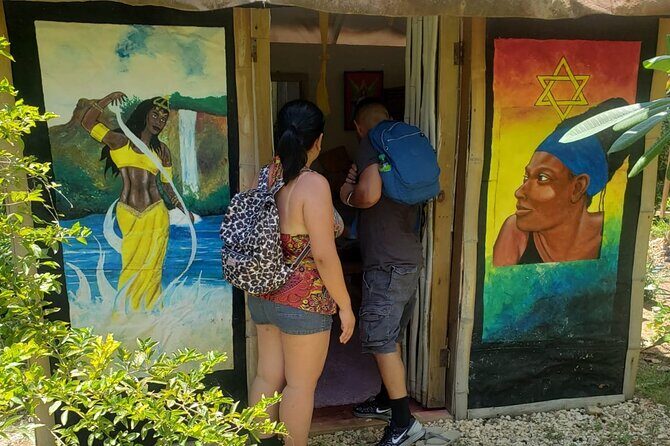
At the heart of the tour is the guided visit inside the village. You’ll be met by friendly local Rastafarians who share information about Rastafarian beliefs and village life. The tone is meant to be welcoming, not academic.
The value here is direct learning from people who live the culture, rather than a script read for a crowd. Even on a short outing, that matters. When someone answers your question with lived experience, the explanation lands differently than a generic museum label.
You should also expect a walking-and-talking style visit. This isn’t described as a rigid indoor museum stop where you stay seated the entire time. Instead, you’ll get guided access to what’s meaningful in the village setting.
There’s also a practical reality: since the day is private, you’ll get to move at a pace that fits your group. If you’re the type who likes to slow down for photos and ask follow-ups, privacy helps a lot. If you’re more of a “show me and tell me fast” person, the guide can keep things efficient.
And yes, timing can affect how much background you get. In one example, a guest arrived late and the host extended the learning time to make sure they didn’t miss important history. So treat punctuality as part of being respectful to the flow of the visit.
Drumming and chanting for about 30 minutes
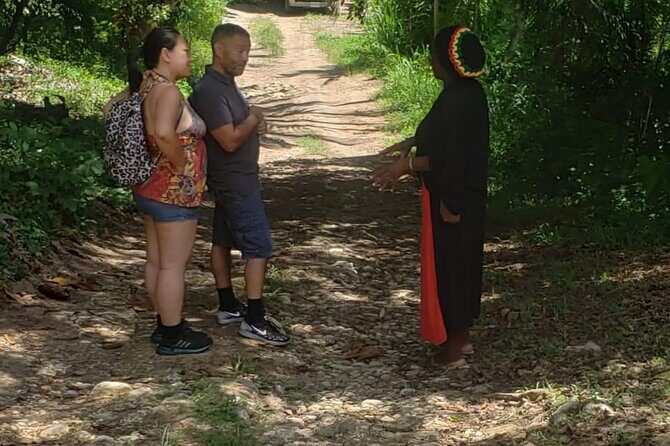
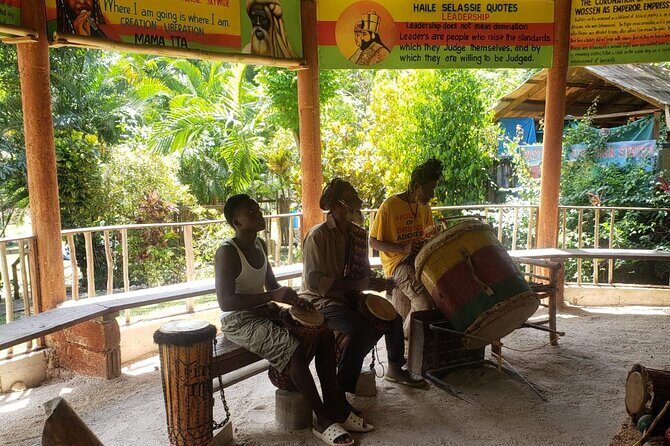
This is the highlight that most people will talk about after. You’ll be treated to around 30 minutes of authentic Congo drumming and chanting.
Why it matters: drumming isn’t just entertainment here—it’s communication. Even if you don’t fully catch every word, the rhythms carry energy. The experience is designed to be something you feel as well as hear.
Expect it to be a contained, guided moment rather than a long concert. That’s good news for time management. It keeps the tour within the 2 to 4 hour window and prevents the “we sat through the same song for 45 minutes” problem.
One tip: position yourself early. The best spots are usually the ones where you can both watch faces and hear the sound clearly. If you’re filming, make sure your phone/camera battery is charged before you go—this is exactly the kind of moment you’ll want a clear recording of.


Fruit samples, juices, and the village shop stop
Right after the learning and before or around the drumming/chanting portion, you’ll get a welcome with fresh fruits and fresh fruit juices. This isn’t framed as a fancy tasting menu; it’s part of how the village shares hospitality.
For you, that means a couple of things:
- You get a more complete sense of daily life, not only cultural talk.
- You don’t leave hungry during a short tour, which is a big quality-of-life win.
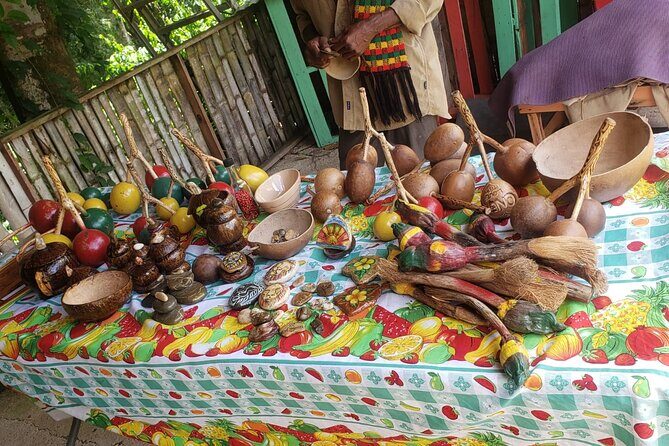
Then you’ll have time to view and shop for products made on-site. The focus is on facial products and souvenirs produced right there in the village. You’ll also have the chance to show appreciation by making purchases if you want.
Keep expectations grounded. You’re not shopping in a department store. You’re buying items from a small, local production setting. If you enjoy handmade products—especially personal care items—this part can feel meaningful, not just transactional.
Also, since you’re bringing cash anyway, you can shop without hunting for an ATM. Just be ready to ask questions about what you’re buying if something looks interesting.
Timing: how the 2 to 4 hours really works
The tour runs about 2 to 4 hours. That range gives the guide flexibility for questions, drumming timing, and your walking pace. Since it’s private, you’re not locked to a rigid schedule like a bus group that has to move every few minutes.
Here’s how I’d plan your day around it:
- If you’re on a cruise, build in buffer time before you need to be back at the port.
- If you’re staying at a hotel, don’t schedule a second major activity immediately after. You’ll probably want a little rest time, especially if it’s warm and you’ll be stepping across that water crossing.
Because the village experience includes drumming/chanting and time for shopping, the middle of the tour is usually where most of the “memory moments” happen. Once that’s done, the return ride feels easy and predictable.
Price and value: is $310 per person fair?
At $310 per person, this tour sits in the mid-to-higher range for Montego Bay. So you should judge value by what you’re actually getting, not by comparing it to half-day bus tours.
Here’s what justifies the price in a practical way:
- Private transportation in an air-conditioned vehicle
- Pickup from your hotel or cruise port
- Admission ticket included for the village experience
- A guided cultural visit plus about 30 minutes of Congo drumming and chanting
- Fruit and juice samples
- On-site time to shop for village-made products
In other words, it’s not only a transfer. You’re paying for a guided, culturally focused half-day with included entry and entertainment—plus the convenience of door-to-door pickup.
The main value check for you: if you want privacy and you care about the cultural side of Jamaica, this price starts making sense. If you’re mainly hunting for beach time and don’t care much about guided learning or music, then spending that amount may feel like overkill.
A smart move: book early. This one is typically booked around 28 days in advance, which suggests demand for the private format.
Who this tour suits best (and who might skip it)
This tour fits best if you want:
- A culture-first experience in Montego Bay
- A guided introduction to Rastafarianism from local Rastafarians
- A short day trip that still feels personal (private ride, private party)
It can also work well for couples and small groups who prefer not to be shuffled around with strangers.
You might want to think twice if:
- Your group has mobility issues that make walking across a small steam/stream difficult (you can bring water shoes, but it’s still a foot crossing)
- You’re not interested in drumming/chanting or learning—because that’s the centerpiece of the visit
- You hate shopping stops. There is shopping time, even if you can keep it brief.
Also, because the experience requires good weather, plan for flexibility. If rain or poor conditions affect the day, you’ll be offered another date or a full refund.
Should you book the Rastafari Indigenous Village Tour?
I’d book it if you’re the type of traveler who wants more than a quick photo. The blend of guided learning, Congo drumming and chanting, and fruit-and-juice hospitality makes this feel like a real cultural meeting rather than a checklist stop.
I’d also book it if you value comfort and simplicity. Pickup from your hotel or cruise port plus an air-conditioned private ride removes a lot of stress, especially in Jamaica traffic and time pressure.
The only real reason to hesitate is the footwear/water crossing. If you show up with the right water shoes and a little flexibility in your schedule, the experience feels doable and memorable.
If you want an authentic cultural moment in Montego Bay that you can actually enjoy in a few hours, this is a strong pick.
FAQ
Where do I get picked up for the Rastafari Indigenous Village Tour?
You’ll be picked up from your Montego Bay hotel or from the cruise port, and then returned there after the tour.
How long is the tour?
The experience lasts about 2 to 4 hours.
Is the tour private?
Yes. It’s private, and only your group participates.
What’s included in the tour price?
The tour includes an air-conditioned vehicle and private transportation, plus admission ticket to the village. Fresh fruit and fresh fruit juices are available, and you’ll have guided time at the village.
Do I need to bring anything?
Bring water shoes (because you cross a small steam/stream to reach the village), cash for shopping, and a camera.
Is there time for photos and shopping?
Yes. You’ll have time to see and purchase souvenirs, including facial products made in the village, and you can bring a camera for photos.
What entertainment is part of the visit?
You’ll be treated to about 30 minutes of real authentic Congo drumming and chanting.
What happens if the weather is bad?
The experience requires good weather. If it’s canceled due to poor weather, you’ll be offered a different date or a full refund.
What is the cancellation policy?
Free cancellation is available up to 24 hours in advance for a full refund. Changes made less than 24 hours before the start time aren’t accepted, and refunds aren’t available for cancellations within 24 hours.