REVIEW · MONTEGO BAY
Montego Bay hi lite and culture tour
Book on Viator →Operated by Esteen Transfer, Tours & Photography Ja · Bookable on Viator
Montego Bay has a sharper story. This private Hi lite and culture tour links Jamaica’s history and everyday life from the late 1400s to today, using real sites across the city.
I love the private, air-conditioned car that lets you pause for photos and questions without squeezing into a shared group. I also love the way the route mixes big themes—like freedom-fighter history—with specific places you can stand in front of.
One consideration: the schedule is short (about 3 hours), so it works best as a strong introduction, not a long, slow museum-and-every-street kind of day.
In This Review
- Key Things That Make This Tour Worth Your Time
- A Private Half-Day That Gets Your Bearings Fast
- Stop 1 in Montego Bay: 1492 to Now, Plus the City’s Landmark Edges
- What to watch for (and ask)
- The Montego Bay Cultural Center Stop: Museum Time Without the Guesswork
- How to make this stop work for you
- St James Parish Church: White Limestone, a Greek Cross Plan, and Deep Continuity
- Quick tip for your photos
- The Cage: 1806 Stone History You Can’t Skip Past
- The Fruit and Local Food Moment: Small Stops, Real Flavor
- Guides and the Pace: Why People Recommend This Private Format
- Who this pace suits best
- Price and Value: What $90 Buys You in the Real World
- Who Should Book This Montego Bay Hi lite and Culture Tour?
- Should You Book? My Straight Answer
- FAQ
- FAQ
- How long is the Montego Bay Hi lite and culture tour?
- Is this tour private?
- Do I get pickup and drop-off?
- Will I be riding in an air-conditioned vehicle?
- Is there a museum admission fee at the Montego Bay Cultural Center?
- Can I try local food or cuisine during the tour?
- What sites are part of the route?
- What fitness level do I need?
- What happens if weather is poor?
- Is a mobile ticket provided?
- How far in advance is this usually booked?
Key Things That Make This Tour Worth Your Time
- Private car comfort: pickup and drop-off with an air-conditioned ride so the day stays easy.
- Sam Sharpe Square focus: a direct stop tied to Jamaica’s freedom-fighter story.
- Churches with dates you can verify: like the older Montego Bay church (built around 1771) and St James Parish Church (1775–1782).
- The Cage (1806): a historic stone structure connected to confinement under slavery and colonial rule.
- National Museum Jamaica time: the Cultural Center stop helps you understand material culture and preservation (museum admission not included).
- About 3 hours only: then you’re free for the rest of the day to eat, swim, or wander.
A Private Half-Day That Gets Your Bearings Fast
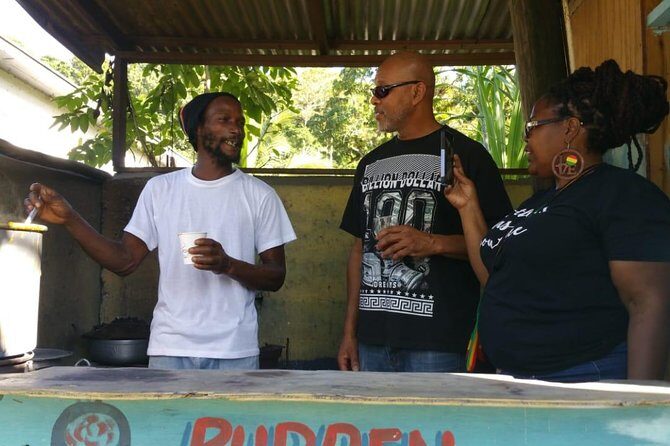
This isn’t a bus tour with a rush-and-escape vibe. It’s built around a private car and a local guide, so you can move through Montego Bay at a pace that actually feels like a conversation rather than a checklist. For first-timers, that matters. Jamaica’s history isn’t abstract here—you see it in the streets, the church walls, and the stone reminder known as The Cage.
The format also helps you plan the rest of your trip. You’re out for about 3 hours, then the day opens up. That’s a big deal if you want to do something else afterward—beach time, a second neighborhood stroll, or just lingering somewhere because you found a spot you liked.
You’ll also appreciate the practical pieces: pickup and drop-off are included, and you ride in an air-conditioned vehicle. Montego Bay weather can be warm, and having climate control between stops makes the whole experience feel smoother and more comfortable.
You can also read our reviews of more tours and experiences in Montego Bay.



Stop 1 in Montego Bay: 1492 to Now, Plus the City’s Landmark Edges
Your tour starts in Montego Bay with a guided introduction that covers Jamaica’s story from 1492 to the present. The goal is to give you context you can carry with you as you continue exploring—because once you know what shaped the island, ordinary-looking streets start to feel meaningful.
You’ll also visit an older church in Montego Bay, built around 1771, and you’ll learn why places like this mattered across generations. Churches in Jamaica aren’t just religious buildings; they often functioned as community anchors—meeting points, reference points, and places where local identity showed up in architecture and tradition.
This stop also connects to Jamaica’s freedom-fighter legacy through Sam Sharpe Square. That part of the tour is valuable because it turns history into something you can physically point to. You’re not just hearing dates; you’re standing in a public space tied to the fight for freedom.
What to watch for (and ask)
When you’re at the older church and city landmarks, ask your guide how the area changed over time. The best cultural tours don’t just show you a place—they explain how that place fits into the island’s larger story, including daily life, social change, and the forces that shaped communities.
The Montego Bay Cultural Center Stop: Museum Time Without the Guesswork
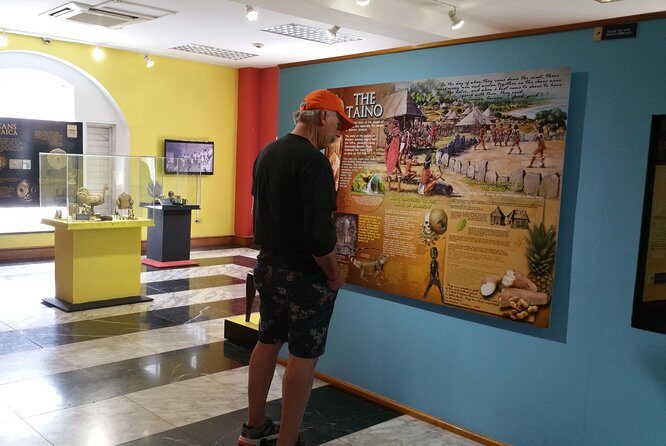
Next up is the Montego Bay Cultural Center, where the National Museum Jamaica is based. This is the part of the tour that shifts from street-level history to museum-style context.
The museum’s focus is on Jamaica’s material culture—how things are preserved, documented, and researched so the island’s history doesn’t get lost. Even if you only spend part of the hour inside, it helps you connect what you saw outside (churches, public memory, historical sites) with a clearer understanding of how culture was carried through objects, traditions, and records.
Important detail: admission isn’t included for this museum stop. So yes, you should budget a little extra if you plan to go in. That’s not a deal-breaker, but it affects value if you’re expecting everything to be fully covered.
How to make this stop work for you
If you like museums, you’ll probably feel glad this is included. If you’re not a museum person, you can still use the Cultural Center stop as a brief grounding moment—enough to understand the big picture—then move on with the day.






St James Parish Church: White Limestone, a Greek Cross Plan, and Deep Continuity
After the Cultural Center, you head to St James Parish Church, dedicated to St James the Great, built between 1775 and 1782. This church is made with white limestone, which helps it stand out visually and makes it easier to appreciate the building style even at a quick glance.
The church layout is described as a Greek cross plan. That might sound technical, but here’s why it matters: it points to the way European church architecture influenced what was built in Jamaica and how religious spaces were shaped in the colonial period.
Even with short stops, church visits can be powerful because they give you a sense of continuity. You get history, but you also get atmosphere—light, materials, and the feeling that a community has used this space across generations.
Quick tip for your photos
If you care about photos, arrive ready to take a few steady shots. Limestone surfaces can look great in good light, and the structure’s shape helps give your camera a clear subject.
The Cage: 1806 Stone History You Can’t Skip Past
Then comes The Cage, one of the most striking stops on the route. It’s a historic stone structure built in 1806—and it originally served as a temporary lockup for people classified as runaway slaves, disorderly seamen, and other so-called vagrants.
That wording is heavy, and it matters that the tour doesn’t sanitize it. The value here is that you’re given context for what the structure represents. Sites like this can easily be reduced to a quick photo, but the real point is the story behind it: the reality of confinement and control under the systems operating at the time.
This stop is a good reminder that Montego Bay isn’t only beach and music. It’s also a place where history left physical marks—stone marks—that still shape how communities remember.
The Fruit and Local Food Moment: Small Stops, Real Flavor
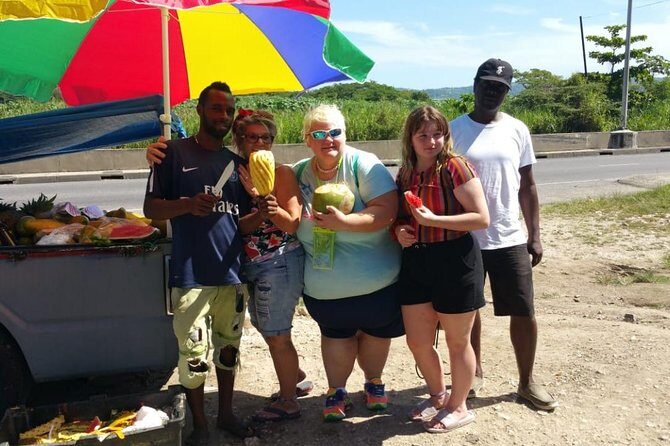
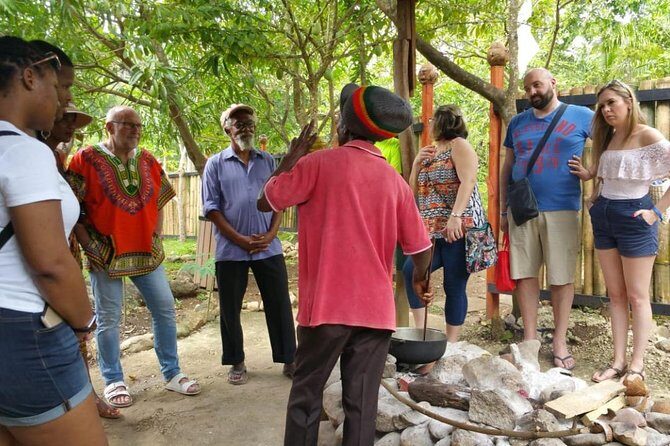
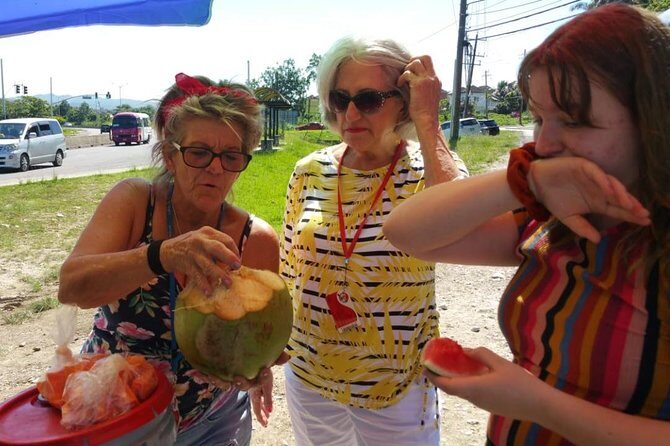
One of the best things about this tour style is that it can include small, personal touches that feel genuinely local. In recent experiences, guides have grabbed local fruit directly from nearby trees and also made time for a local fruit stop. That kind of add-on turns a cultural drive into a lived-in moment.
The overall tour also mentions trying local cuisine if you choose. Since meals and food costs aren’t listed as included, treat it as your option during free moments or as a planned stop guided by what you like.
If you’re the type of traveler who thinks tasting is part of culture (not an afterthought), this is one reason the tour earns strong marks. You don’t just learn with your ears—you get to taste with your hands.
Guides and the Pace: Why People Recommend This Private Format
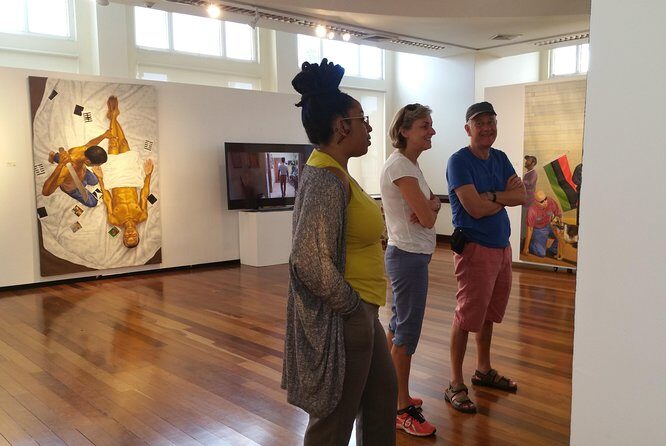
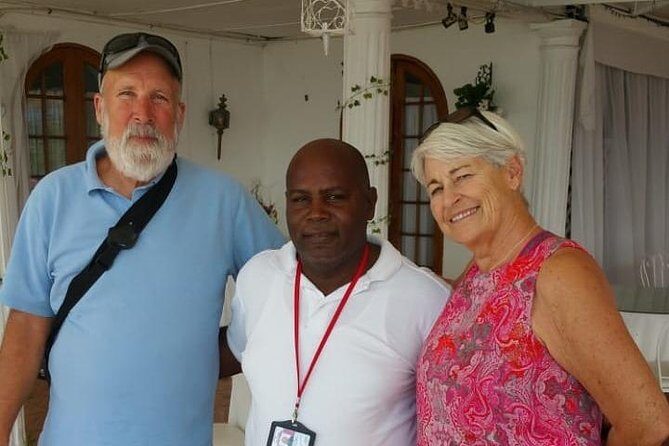
A major theme in the experience is the guide. Names you may run into include Errol (and in other bookings, guides like Earl and Kyle). The common thread across these guide-led experiences is that the conversation stays flexible enough to answer real questions, and the route keeps moving without feeling like you’re being herded.
I also like that the tour is private for your group only. That means you can ask to slow down at a church, clarify what a historical site is connected to, or spend a few extra minutes looking at details you’d normally walk past.
Who this pace suits best
- You want a first look at Montego Bay with history you can hold onto.
- You like guided context, but you don’t want an all-day commitment.
- You want air-conditioned comfort between stops.
Price and Value: What $90 Buys You in the Real World
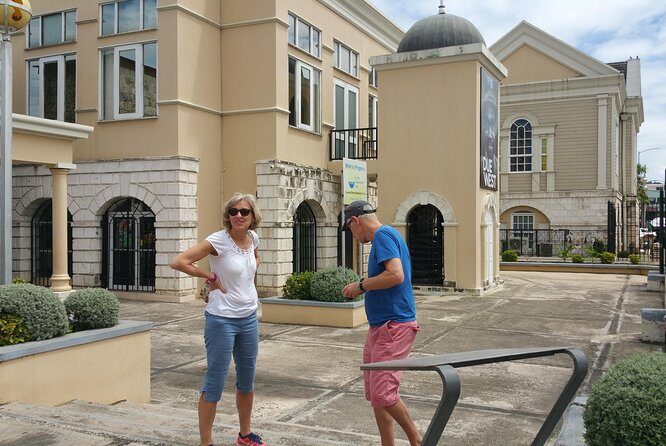
At $90 per person, this tour is in the middle of the range you’ll see for private, guided half-days in Montego Bay. What makes it feel fair is that you’re paying for the whole structure: private transportation, pickup/drop-off, and a guide-led route that hits major historical anchors.
A few value-related notes:
- Admission is free for some stops (the churches and The Cage are described as free admissions).
- The Montego Bay Cultural Center museum is the one place where admission isn’t included, so your final total may go up slightly if you enter fully.
- The tour length—about 3 hours—keeps your cost tied to a short, focused experience rather than a long day.
Where people can feel “shorted,” usually, is expectation. If you’re hoping for deep, hour-by-hour coverage like a full museum day, you may want to add time afterward on your own. But as an orientation tour that helps you understand what you’re seeing around Montego Bay, the time-to-value ratio is strong.
Who Should Book This Montego Bay Hi lite and Culture Tour?
Book it if you:
- Want a history-and-culture intro that doesn’t require planning dozens of stops yourself.
- Like private guiding and an easy transportation setup.
- Are interested in Jamaica’s freedom-fighter legacy and sites connected to hard colonial history.
Consider something else if you:
- Want an all-day deep dive into museums and one site for a long time.
- Prefer a beach-first itinerary with minimal historical stops.
Should You Book? My Straight Answer
If you want to understand Montego Bay beyond the postcard, this is a solid pick. The route hits clear, meaningful places—Sam Sharpe Square, churches with dates and design details, The Cage—and it does it in a time window that won’t steal your whole day.
I’d book it especially if you’re new to Jamaica or you want a guided thread connecting history, culture, and everyday life. Just plan your expectations: think introduction, then use your free time afterward to follow up on what grabbed you most.
FAQ
FAQ
How long is the Montego Bay Hi lite and culture tour?
The tour runs for about 3 hours.
Is this tour private?
Yes. It’s listed as a private tour/activity, so only your group participates.
Do I get pickup and drop-off?
Yes. Pickup and drop-off are provided for ease.
Will I be riding in an air-conditioned vehicle?
Yes. The tour includes an air-conditioned vehicle.
Is there a museum admission fee at the Montego Bay Cultural Center?
Admission at the Montego Bay Cultural Center is not included. Other stops are listed as free admission.
Can I try local food or cuisine during the tour?
The tour description notes that you can try local cuisine if you choose, and there may also be opportunities to sample local fruit during the experience.
What sites are part of the route?
The route includes stops such as Sam Sharpe Square, the Montego Bay Cultural Center, St James Parish Church, and The Cage.
What fitness level do I need?
You should have a moderate physical fitness level.
What happens if weather is poor?
This experience requires good weather. If it’s canceled due to poor weather, you’ll be offered a different date or a full refund.
Is a mobile ticket provided?
Yes. The tour includes a mobile ticket.
How far in advance is this usually booked?
On average, it’s booked about 23 days in advance.