REVIEW · MONTEGO BAY
Discover Scuba Diving in Montego Bay
Book on Viator →Operated by Express Travel Jamaica · Bookable on Viator
Your first scuba session starts with training and care. In Montego Bay, this intro Discover Scuba program mixes classroom-style basics with hands-on practice, ending with an open-water check session.
I really like how the crew keeps it calm for first-timers, especially if you’re nervous. I also like that instruction is ongoing and close-up, with patient coaching and constant check-ins once you’re in the water.
One possible drawback: this is a fast, half-day format, so if you’re hoping for lots of time underwater, you might feel like you’re just getting started.
In This Review
- Key highlights at a glance
- Montego Bay for first-timers: why this works
- 7:30am pickup and where the day actually starts
- Gear fitting, safety basics, and Wayne’s calm approach
- The second phase: shore-based open-water session and marine life
- Included vs extra: equipment, wetsuits, and that Reef Tax
- Price and value: is $338.32 worth it?
- Safety rhythm, medical limits, and what to prepare
- Who should book, and who should think twice
- Should you book this Montego Bay intro scuba session?
- FAQ
- How long is the Discover Scuba program in Montego Bay?
- Where do I meet, and what time does it start?
- Is this for beginners or uncertified participants?
- What happens after the initial skills practice?
- Is lunch included?
- What’s included in the price besides instruction?
- Do I need to rent a wetsuit?
- Are there age requirements?
- Can I cancel for free?
Key highlights at a glance
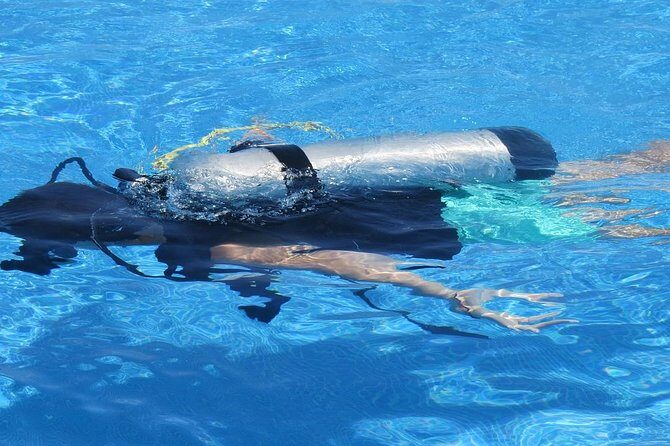
- Small group size (max 8) helps you get more hands-on attention
- Wayne and crew are praised for patience with true beginners
- Pool-style skill practice first, then your instructor decides if you’re ready for the next phase
- Shore-based open-water session gives you better views than the training area
- Equipment + reef tax + hotel pickup/drop-off are bundled in
Montego Bay for first-timers: why this works
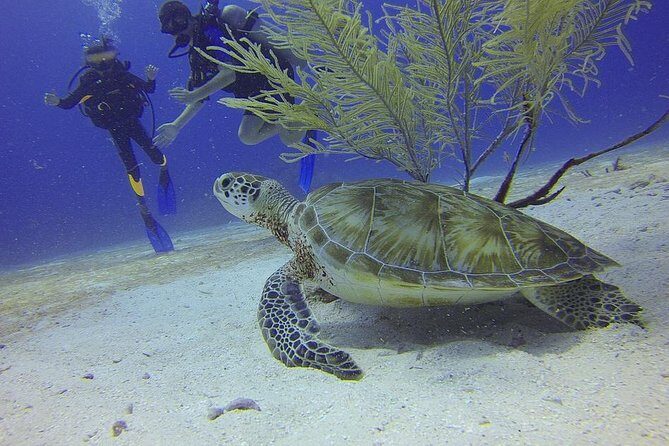
Montego Bay is a practical choice for an intro scuba program because the setup is built around short, focused training. You’re not asked to arrive with experience. Instead, you start by learning the basics, then you progress only when you can handle them comfortably.
The big win here is the sequence. You begin in a controlled environment that’s compared to a pool setting, so you can learn how scuba feels—before you’re dealing with currents, depth changes, or anything unexpected. If you’ve ever felt intimidated by the idea of getting underwater, that order matters. It lets you build confidence step by step.
I also like that the program is explicitly designed for uncertified or first-time participants, with skills that can be used for future PADI-style training. That means you’re not just doing a one-off thrill; you’re building a foundation.
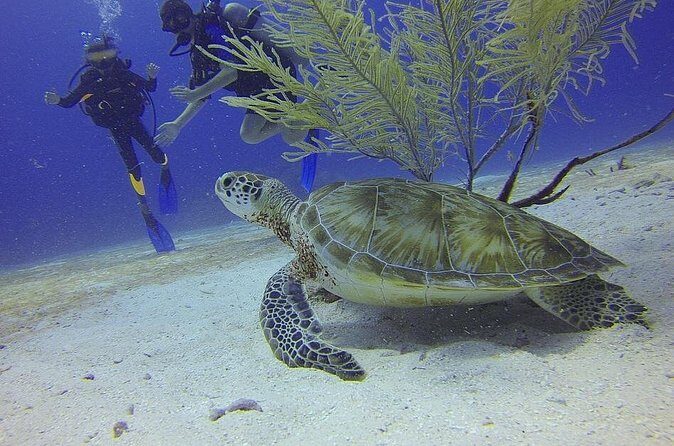
Finally, the setting: the second phase happens at a shore location with better chances to see Caribbean marine life close up. You should expect colorful sea life and a true “wow, I’m really underwater” moment—without needing advanced gear or advanced training.
You can also read our reviews of more scuba diving tours in Montego Bay
7:30am pickup and where the day actually starts
The day starts early, around 7:30am. Your meeting point is listed at Sunset Beach Resort, Spa & Waterpark (Montego Bay). From there, the plan is hotel pickup and drop-off for local hotels, and then you head toward the launching area at Sunscape Splash Resort.
What this means for you in real life: you’ll want to be dressed and ready before the pickup time. Bring a cover-up for the transition between land and water, and plan for a quick morning routine. If you’re sensitive to early wake-ups, set your alarm twice. The sea doesn’t care about your sleep schedule.
The total time commitment is about 3 hours. That’s tight, so treat it like an activity block rather than a “float around the day” kind of plan.
Also, you’ll get a mobile ticket, and confirmation is received at booking. For cruise ship passengers, you’ll need to provide ship name and times (docking, disembarkation, and re-boarding). That’s common for morning excursions, but it’s important for timing.
Gear fitting, safety basics, and Wayne’s calm approach
Before you touch any water, you’ll meet the master instructor and do a safety orientation. Then comes the outfitting: getting set up with the scuba gear you’ll use for the program. This is where first-timers often feel awkward—so it helps that the team is described as very helpful and patient.
In the reviews, Wayne and crew are specifically praised for being encouraging with a first-timer who felt extremely nervous. The key detail I’d take from that: you should expect the team to stay on you, not just “hand you gear and wish you luck.” One reviewer said the crew checked in the whole time to make sure they were okay. That kind of attention is exactly what you want when you’re learning buoyancy and breathing rhythm for the first time.
After the gear setup, you learn scuba basics in a controlled area similar to a pool. This is where you practice fundamentals you’ll rely on later, such as how to manage breathing through your regulator and how movement feels while wearing the equipment. The goal isn’t speed—it’s control.
Then your instructor decides whether you’re ready to move into the next phase. That decision point is a good sign. It means the course is responsive to your comfort and ability, not just your enthusiasm.
The second phase: shore-based open-water session and marine life
Once you’ve mastered the basics in the training area, the program moves to a second location for a shore-based open-water session. This part is positioned as more adventurous and offering better views of Caribbean marine life.
Here’s what to keep in mind: shore-based means you’re still doing open water, but the setup is closer to beginner-friendly conditions than a complicated boat operation. You’re still learning, so the experience is about getting comfortable underwater and seeing what the training leads to.
What you’ll likely notice right away is how different it feels from the controlled pool-like practice. In open water, your body has to handle balance, depth changes (within a beginner range), and maintaining steady breathing. This is why the instructor’s decision to move forward matters.
Marine life viewing is part of the point. The program’s highlights focus on getting up close with Caribbean sea creatures. Don’t expect a curated “aquarium tour” with guaranteed sightings of any single animal, but you should leave with a genuine sense of scale and color that you just don’t get while snorkeling from the surface.
Also, the group is small (up to 8), which helps because the instructor can keep an eye on everyone. If you’re the kind of person who needs reassurance and step-by-step guidance, this format tends to work well.
Included vs extra: equipment, wetsuits, and that Reef Tax
The price includes several items that matter when you’re doing an intro course:
- Use of snorkel and dive equipment
- A professional guide and a Dive Master Tutor (you’ll be working directly with trained support)
- Environmental Management Charge (Reef Tax)
- Hotel pickup and drop-off from local hotels
One tricky part: the lunch question is inconsistent between sections. The highlights section says lunch is provided, but the details list lunch under Not Included. Because of that mismatch, you should treat lunch as not guaranteed and plan accordingly, or confirm directly at booking.
Then there’s the wetsuit. Wetsuits are listed as not included, but you can rent one at the site. For most people, that’s a simple add-on decision. If you run cold or you’re concerned about comfort for the water time, rent the wetsuit so you’re not worried about temperature on top of learning to stay calm underwater.
The Reef Tax being included is actually a “quiet value” detail. It signals your fee isn’t just for equipment and instruction, but also covers environmental management charges required for reef protection. It’s one of those small line items you’d rather not hunt down separately on your own.




Price and value: is $338.32 worth it?
At $338.32 per person, this isn’t a budget activity. So the real question is whether you get value for that money. Here’s what you’re paying for, based on what’s included:
You’re paying for a structured intro program (not just a casual “try gear” moment), equipment use, and trained support throughout. You’re also paying for the logistics: hotel pickup and drop-off, plus the environmental charge.
And you’re paying for the fact that the class is kept small—maximum 8 people—so you’re not stuck watching from the side while someone else gets all the attention.
You’re also not paying separately for core costs like equipment, guide time, and required environmental fees. That can matter on trips where you’d otherwise end up with surprise add-ons.
Now the honest trade-off: the whole experience is only about 3 hours. It’s an intro course, not a full-day underwater adventure. If you want lots of bottom time, repeated sessions, or certification-level training, you’ll likely need a longer program afterward.
But if your goal is to learn the basics, feel safe, and see marine life up close on your first try, this price can make sense.
Safety rhythm, medical limits, and what to prepare
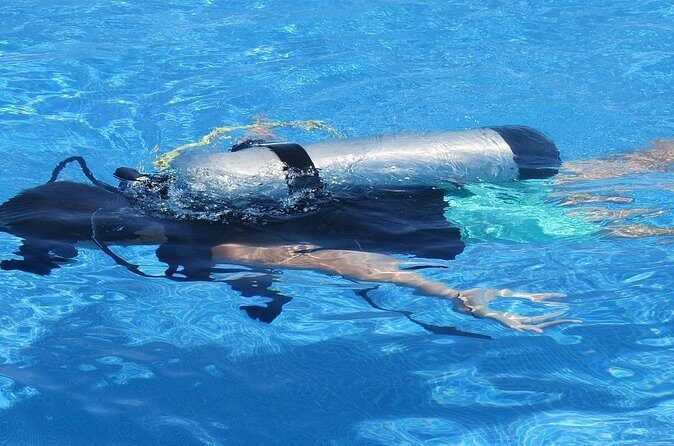
This program is built with safety controls. There’s an orientation, the instructor stays with you at all times, and you complete a health questionnaire before diving. Some serious medical conditions can prevent you from participating—heart complaints or other serious conditions aren’t recommended, and you’re advised to ask your doctor if you’re medically fit.
There’s also a travel-body rule: diving within 48 hours of flying isn’t recommended. If you’re doing this right after travel days, it may be better to build in a buffer day.
You should also have a strong physical fitness level. Scuba skills require basic comfort with the body’s workload—carrying and adjusting equipment, moving in water, and maintaining breathing control. You don’t need to be an athlete, but you do need to be reasonably fit.
Age matters, too. A parent or guardian must be present for anyone under 17 years old.
If you’re deciding whether to book, I’d treat these points seriously. A good day underwater comes from feeling safe on land first—so take the health questionnaire honestly, and don’t try to “tough it out” if you’re unsure.
Who should book, and who should think twice
This is a great fit if:
- You’re uncertified or trying scuba for the first time
- You want an instructor-led progression (skills first, open-water check after)
- You like the idea of small groups and close attention
- You want training that could support continued PADI-style development later
It’s also a solid choice if you’re the type who needs reassurance. The reviews point hard to patience and check-ins—especially for nervous first-timers. That matters more than people think.
Think twice if:
- You have a medical condition that may affect scuba safety (especially heart-related concerns)
- You can’t meet the physical fitness requirement
- You recently flew and you’re within 48 hours of your flight (this is specifically noted as not recommended)
If you’re just looking for a quick “see fish” outing with no skill focus, you might prefer a simpler snorkeling plan. But if your goal is to understand scuba basics and experience the underwater world in a guided way, this program is purpose-built for that.
Should you book this Montego Bay intro scuba session?
If you want a first scuba experience that emphasizes safety, patience, and a clear progression—from controlled practice to a shore-based open-water check—this is worth considering. The strongest signal in the feedback is how supportive the crew is, with Wayne and the team described as especially helpful for brand-new students. That’s the kind of detail that reduces fear and helps you learn faster.
I’d book if you can handle a short, morning schedule and you’re comfortable with the idea that lunch and wetsuit rental may not be included as a default. Also, be ready to complete the health questionnaire and follow medical guidance.
If you’re unsure about your medical fit, take the time to ask a doctor before you get your hopes up.
If all that checks out, this is an efficient way to turn Montego Bay into more than just a beach day. You’ll leave with real skills you can build on—and memories tied to underwater breathing, not just surface views.
FAQ
How long is the Discover Scuba program in Montego Bay?
It lasts about 3 hours (approx.).
Where do I meet, and what time does it start?
You start at Sunset Beach Resort, Spa & Waterpark. The start time is 7:30am.
Is this for beginners or uncertified participants?
Yes. It’s designed for uncertified or first-time divers, with basic scuba skills taught first.
What happens after the initial skills practice?
After you learn basics in a controlled area, your instructor decides if you’re ready for the second phase at a shore location for a more adventurous open-water experience.
Is lunch included?
The details list lunch under Not Included, even though the overview section mentions lunch. Plan on lunch not being guaranteed unless you confirm at booking.
What’s included in the price besides instruction?
The included items are snorkel and dive equipment, a professional guide, Environmental Management Charge (Reef Tax), and hotel pickup/drop-off from local hotels.
Do I need to rent a wetsuit?
A wetsuit is not included, but it can be rented at the site.
Are there age requirements?
Yes. Children under 17 must be accompanied by an adult.
Can I cancel for free?
Yes. You can cancel for a full refund up to 24 hours in advance of the experience’s start time.
If you tell me your travel dates and whether you’ve flown recently, I can help you sanity-check timing before you book.